
Dhrubajyoti Chattopadhyay
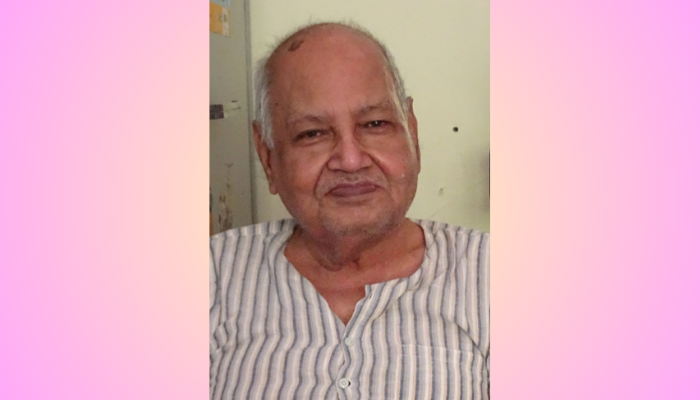
In a fight against Leprosy, which is a chronic bacterial infectious disease, India, on 1 April 2025, officially implemented the revised classification and treatment protocol nationwide. Under the National Leprosy Eradication Programme (NLEP), a uniform three-drug Multi-Drug Therapy (MDT) regimen was introduced for both paucibacillary and multibacillary cases, with the explicit aim of interrupting transmission by 2027. But this story does not begin in Delhi or Geneva. It began in Purulia, one of West Bengal’s backward districts, exactly half a century ago.
Here, I want to begin the story not from the scorching heat of Purulia, but from the mist-covered coastal city of Bergen, Norway, where the first scientific battle for the soul of this disease was fought. On one side stood the establishment, led by the renowned Dr Daniel Cornelius Danielsen, who viewed leprosy as a hereditary curse — a “blood punishment” to consolidate the idea passed down through generations after generation. On the other hand, stood his own young son-in-law, Gerhard Armauer Hansen, armed with a microscope, a symbol of modern scientific temper at that time. Hansen peered into the fluid of patient wounds night after night through his microscope, and finally, in 1873, he identified a faint, rod-shaped bacterium in that fluid. The world met Mycobacterium leprae for the first time...read more on NOPR

Please bookmark the new web address.