
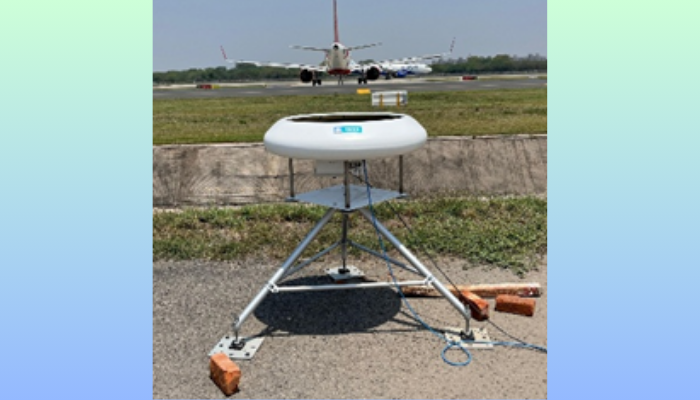
Skycast technology, developed by the Indian Institute of Tropical Meteorology, is an excellent example of meteorology, artificial intelligence and modern data analysis.

This unique app presents a perfect example of how science and technology can be harnessed to serve humanity.
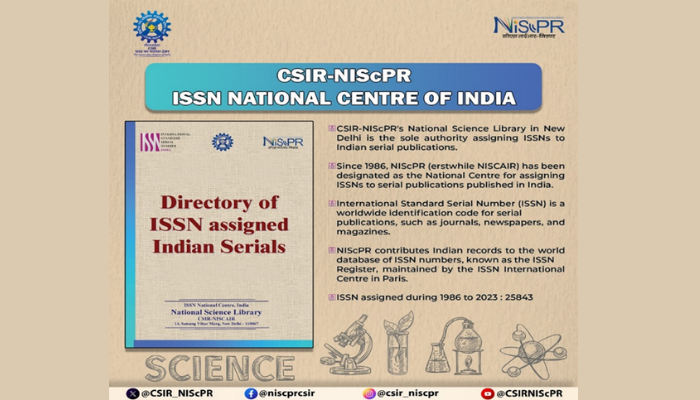
CSIR-NIScPR’s responsibility to guard the ISSN is not just an administrative role to play; rather, it is an assurance to the democratisation of knowledge.

By blending scientific excellence, entrepreneurial potential, and policy facilitation, the mission is paving the way for a flourishing, self-sufficient floriculture sector.

Understanding the impacts of radiation exposure on various living systems is of heightened interest, particularly as the world faces the potential necessity of relying on nuclear power due to the depletion of natural non-renewable resources.

Herewith, we provide a brief outline of R&D innovations made by a few laboratories of the Council of Scientific and Industrial Research (CSIR).

The conclave conveyed a clear message, “Science is not just a collection of knowledge; it is the main driver of progress”.

The use of tools like SARAT-2 is a “welcome development” given the many challenges the Indian maritime sector faces because of rising cyclonic storms, unpredictable weather, and increasing traffic on the seas.

The cultivation of Heeng in India represents a significant step towards agricultural self-sufficiency. It has the potential to boost the economy, create jobs, and revitalise traditional Indian cuisine.

By addressing the funding challenges faced by the private sector, the scheme unlocks the potential of sunrise and strategic sectors, paving the way for technological breakthroughs and economic growth.

Please bookmark the new web address.