
Raktim Roy
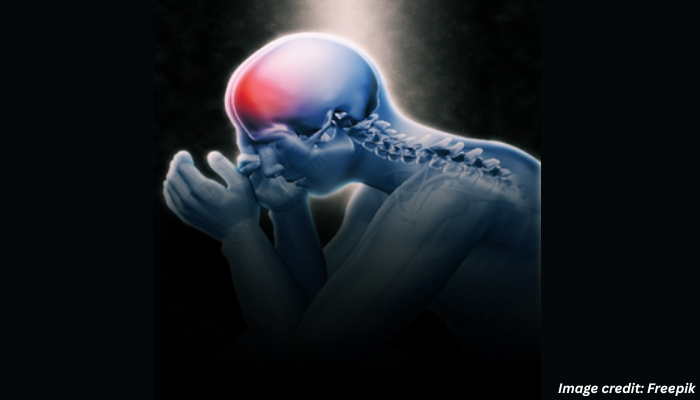
Stroke is one of the deadliest conditions, with about 12 million new cases in 2021 since 1990. It has been estimated that 1 in 4 adults over 25 years of age will experience a stroke in their lifetime. But how can one define a stroke? To understand this life-threatening condition, one must first understand the human brain. Only by fully understanding the fundamental workings of the brain can we really find novel strategies to prevent and/or cure stroke.
The brain is the most unique organ in the whole body. The fundamental unit of the brain is a neuron. Neurons are generally considered “terminally differentiated” cells, i.e., they won’t divide to form new neurons. Whatever neurons a person is born with will stay with them till their lifetime. There are an estimated 100 billion neurons in the human brain. Together, the neurons of the brain and spinal cord comprise the nervous system, which is the body’s communication system. This system works by receiving a sensory signal (for example, touching a hot surface), processing the signal, and producing an appropriate voluntary motor response (for example, removing the hand). All this beautiful coordination is achieved due to the unique properties of neurons…read more on NOPR

Please bookmark the new web address.