
Parul R. Sheth
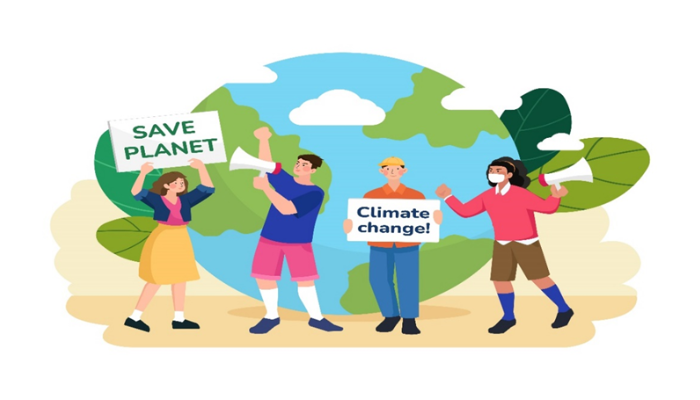
Traditionally in India, we have six seasons (Ritus) listed in a year, namely Vasant (spring), Grishma (summer), Varsha (monsoon), Sharad (autumn), Hemant (pre-winter), and Shishir (winter). Each season extends for about two months. However, today, erratic changes have occurred. The spring season is short-lived, summers are extremely hot, prolonged monsoon season arrives with heavy rainfall, a stint of severe October heat and extreme winter spells. Not only in India but globally, climate change has changed the whole weather scenario.
Climate change is a significant threat to health in the 21st century. It acts as a health-risk multiplier, making existing problems worse and creating new ones. The future does seem bleak on the health front, with the weather going haywire. As per the World Health Organization (WHO), figures, between 2030 and 2050, climate change is expected to cause around 2,50,000 additional deaths per year from malnutrition, malaria, diarrhoea and heat stress. Areas with weak health infrastructure, especially in developing countries, may not be able to cope without assistance and preparedness.
In 2015, the Paris Agreement — a legally binding international treaty on climate change was signed by 195 countries at the United Nations Climate Change Conference, COP21. All countries agreed to take specific steps to reduce Greenhouse Gas (GHG) emissions. The central goal of this agreement…read more on NOPR

Please bookmark the new web address.