
Santanu Basu
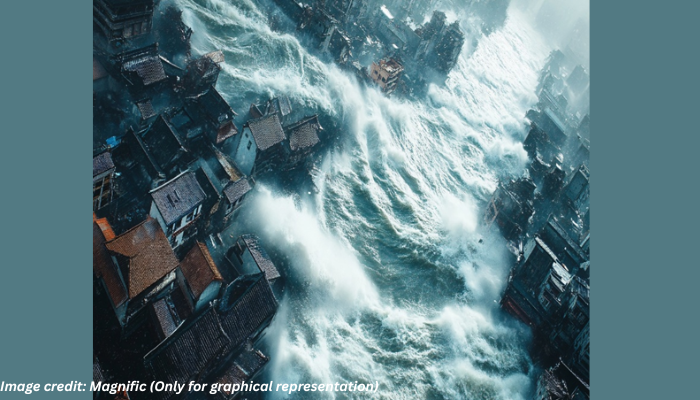
A catastrophic glacial collapse along the Nepal-Tibet border has unleashed a devastating torrent through the valleys of Nepal’s Bhote Koshi and Trishuli rivers, threatening thousands of lives and leaving a trail of destruction that is difficult to comprehend. A gigantic mass of glacier, rock, mud, sand and earth broke away from the high Himalayas and thundered down the mountain slopes at extraordinary speed, overwhelming river channels and sweeping through settlements in its path.
The disaster has left Nepalese men, women, children and elderly people, as well as numerous Indian tourists, missing. Many are feared to have been swallowed by the mountains and rivers. The devastation was so huge that even the authorities faced the grim prospect of recovering and disposing of large numbers of bodies.
The images that emerged from the disaster zone were almost impossible to describe. The tragedy inevitably recalls some of the worst natural disasters in the region’s recent history. The comparison with the devastating Bhuj earthquake in Gujarat 26 years ago is particularly haunting. The geography is different, and the physical processes are not the same, but the human consequences of a landscape suddenly transformed into a vast graveyard are disturbingly familiar…read more on NOPR

Please bookmark the new web address.