
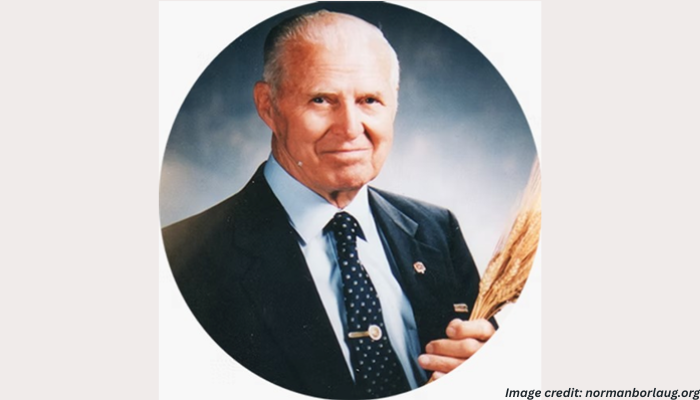
World Food Day — 16 October is recognised as Norman Borlaug World Food Prize Day in Iowa and Minnesota. It is indeed a happy coincidence that the World Food Day 2026 theme, “Innovate Today, Nourish Tomorrow”, resonates with Borlaug’s work.
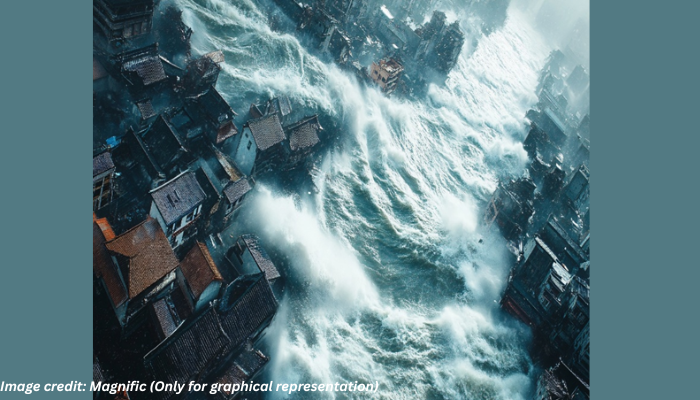
The Nepal disaster is a warning from a mountain system under stress — a warning that the next catastrophe may already be taking shape somewhere high above the valleys, beyond the sight of the people who will ultimately bear its consequences.

Both music and light therapies are non-invasive, person-centric, and well-supported interventions that positively alleviate physical, psychological, emotional and cognitive health issues through the medium of music and light.
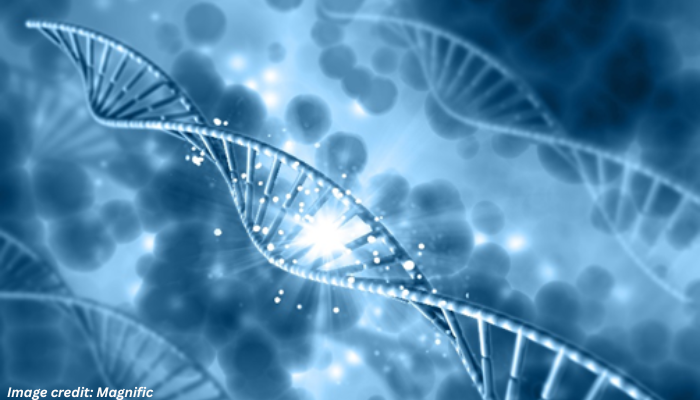
Drawing on genomics, evolutionary biology and systems-level thinking, Sudhakaran Prabakaran in his book Eclipsed Horizons: Unveiling the Dark Genome, argues that the dark genome is not a “junkyard” but nature’s “tinkering workshop”, a reservoir of potential solutions that organisms can draw upon when facing environmental challenges.
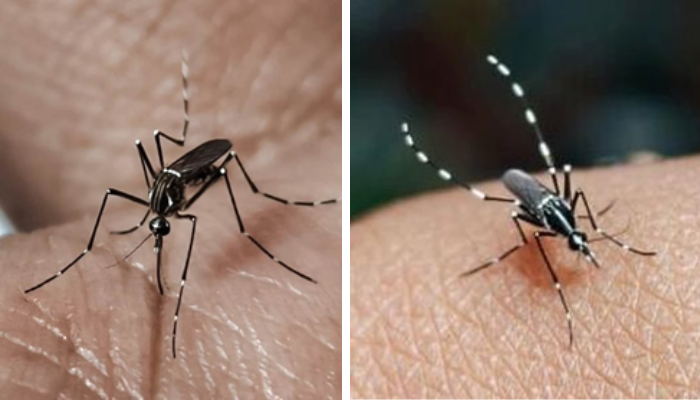
Defeating dengue does not begin in a hospital — it begins at home, in school and in every neighbourhood.
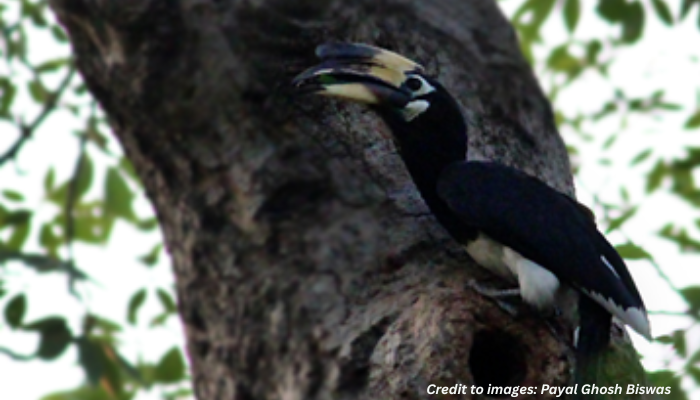
The birds also imparted lessons in ethics that are very necessary for peaceful coexistence among humans and non-humans, not only in the city of Delhi but everywhere in the world today.
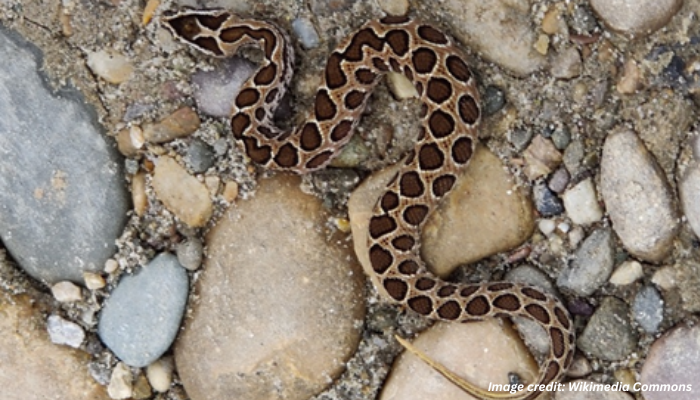
Some snakes inject more venom, increasing toxicity from low-concentration toxins. While these challenges exist, they are manageable, and the development of multi-specific snake antivenoms is promising.
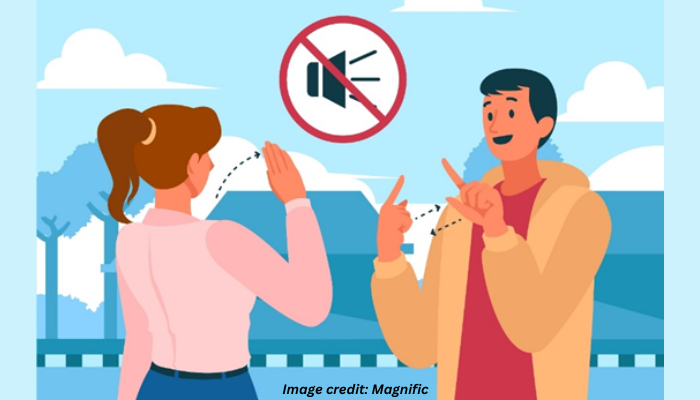
The UN Convention on the Rights of Persons with Disabilities affirms the right to inclusive education. Inclusion is not charity — it is policy. The future classroom must not separate learners. It must integrate them.
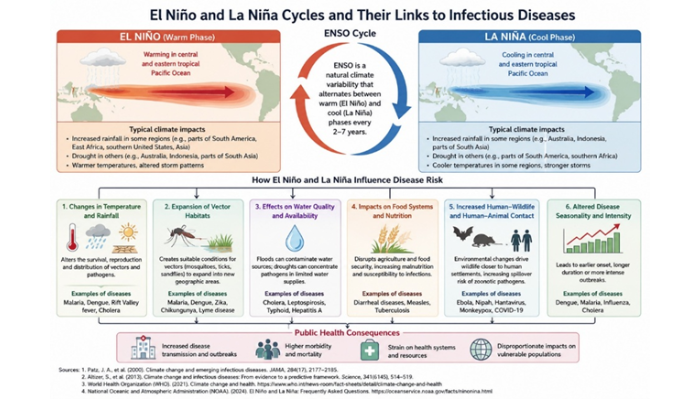
The erratic weather phenomenon has also resulted in the loss of species, some of which were the silent hosts for the pathogens. The loss of the primary hosts has made humans the most available, vulnerable and susceptible hosts.
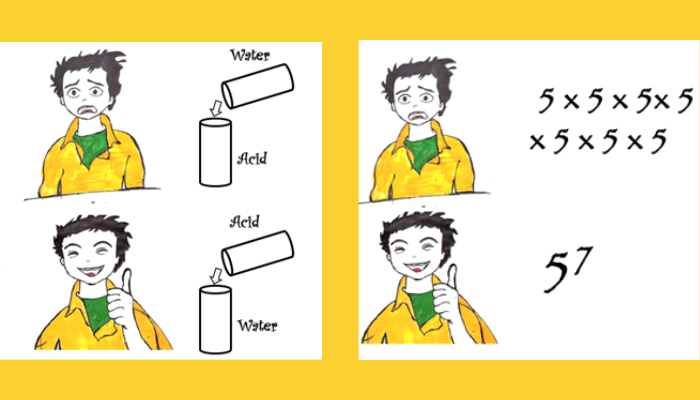
If you are puzzled as to why your peers laugh at a meme, you need to understand the meme. Understanding a sci-math meme requires some knowledge of the scientific-mathematical concept, and a contextual experience as well.

Please bookmark the new web address.